
Is Your Workforce Prepared for Severe Weather?
January 23, 2026
Is Your Workforce Prepared for Severe Weather?

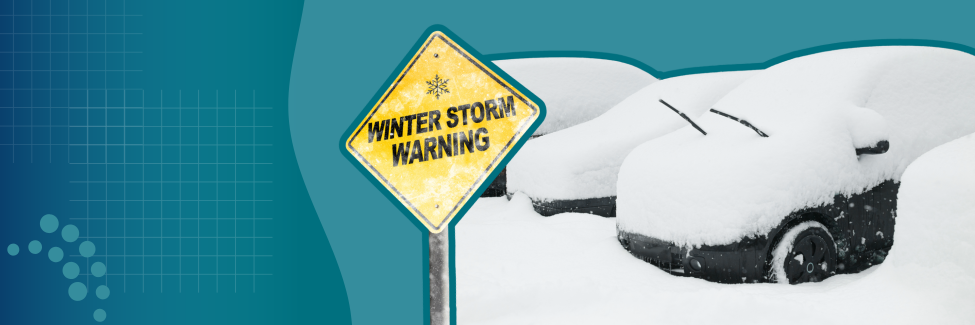
Severe weather can disrupt business operations faster than almost anything else. From winter storms and flooding to extreme heat, wildfires, and hurricanes, these events don’t just impact buildings and schedules; they impact people, payroll, compliance, and decision-making in real time.


For employers, the question isn’t if severe weather will affect your workforce, but whether you’re prepared when it does. Organizations that plan ahead are better positioned to protect employees, maintain trust, and avoid costly missteps when conditions change quickly.


Preparation Starts Before the Weather Hits

When severe weather develops, decisions often need to be made quickly. Power outages, road closures, and evacuation orders can disrupt normal operations with little warning. The best way to navigate these moments is to lay the groundwork ahead of time, so you’re not starting from scratch when conditions change.


Start by taking a proactive approach:


  • Identify the types of severe weather most likely to affect your workforce based on geography and job roles
  • Outline clear safety and response plans so employees know what to do and who to contact
  • Communicate expectations in advance, including how closures, remote work, and updates will be handled


Preparation isn’t about anticipating every possible outcome. It’s about giving your organization a reliable framework to make decisions calmly, communicate clearly, and adapt as circumstances evolve.


Understanding Your Responsibility as an Employer

As an employer, you are responsible for providing a work environment that keeps people safe, even when conditions outside your control create added risk. Workplace safety laws, including OSHA’s General Duty Clause, require you to address recognized hazards that could lead to serious harm, and severe weather can quickly introduce or intensify those hazards.


Beyond OSHA, additional state and local regulations, industry-specific standards, and insurance requirements may come into play depending on where and how your employees work. Taking time to understand how these obligations align with your policies, procedures, and day-to-day operations helps you respond more confidently when weather conditions threaten employee safety.


Assessing Risk Across Your Workforce

No two workforces face the same risks. A meaningful severe weather plan starts with understanding how geography, job duties, and work environments affect exposure.


Key questions to consider include:


  • What types of severe weather are most common where employees live and work?
  • Which roles are essential during disruptions, and which can be performed remotely?
  • How could weather events impact commuting, utilities, or workplace safety?


Once you have a clearer picture of these risks, document practical safety measures, outline contingency plans, and clearly identify points of contact. When employees know who to reach out to and what steps to follow, they can respond more confidently and safely as conditions change.


Communication When It Matters Most

Power outages, spotty internet, and overwhelmed phone networks can make it difficult to reach employees at the exact moment guidance is needed. Thinking through communication ahead of time, even at a high level, can make a meaningful difference when conditions change quickly.


Start by deciding how you will share updates if your usual tools are unavailable. This might mean designating an alternate way to send messages, choosing a single place where updates will be posted, or clarifying who is responsible for communicating next steps. Even a simple, centralized approach can help employees know where to look for information and what to expect if they don’t hear from you immediately.


Clear direction, shared as early as possible, reduces uncertainty and helps employees make safe decisions without guessing. When people understand how and when updates will be provided, they’re better equipped to respond calmly, even if communication is delayed or limited.


Attendance, No-Shows, and Real-Life Constraints

Severe weather can prevent employees from reporting to work for reasons beyond their control, including unsafe travel conditions, school closures, or power outages. While attendance policies play an important role in normal operations, emergencies often require a more flexible approach. How these situations are handled can shape employee trust long after the weather clears.


Allowing for management discretion during severe weather events gives leaders the ability to respond thoughtfully to individual circumstances. Taking time to understand what employees are dealing with, communicating expectations clearly, and offering reasonable alternatives when possible can go a long way. Flexibility during these moments not only supports safety, but also reinforces engagement, loyalty, and confidence in leadership.


When Employees Don’t Feel Safe Traveling

Even when your workplace remains open, some employees may not feel safe commuting. Encourage open, honest conversations so concerns can be addressed early, and be prepared to offer practical alternatives such as temporary remote work, adjusted schedules, or time off when appropriate. It’s also helpful to understand what support may already be available through your business insurance coverage, as some policies include provisions for lodging, travel, or temporary relocation for employees in critical roles. Reviewing these options with your insurance advisor ahead of time can provide clarity and help you make timely, confident decisions when severe weather impacts operations.


Closures and Pay

Weather-related closures raise important wage and hour questions.


  • Nonexempt employees generally must be paid only for hours worked, though employers may choose to pay or require PTO use based on policy.
  • Exempt employees are typically entitled to their full salary for any week in which they perform work, even if the business closes for part of the week.


Clear policies and consistent application are essential to avoiding payroll and compliance issues.


Leave Protections and Legal Considerations

Severe weather may trigger eligibility for various job-protected leaves, including:


  • Family and Medical Leave Act (FMLA)
  • Military or National Guard service
  • Disability accommodations
  • State-specific emergency leave laws


Be prepared to recognize when these protections apply and provide required notices in a timely manner.


Workplace Injuries During Severe Weather

If an employee is injured while working during severe weather, immediate medical care should always be the top priority. Once the situation is stabilized and the employee is safe, ensure the injury is reported properly in line with workers’ compensation requirements and, where applicable, OSHA recordkeeping rules.


After the initial response and reporting are complete, take time to review what happened. Looking closely at the circumstances and identifying any corrective steps, whether that involves adjusting procedures, equipment, or scheduling, can help you reduce the risk of similar incidents in the future and reinforce a safer work environment overall.


Extended Disruptions: Layoffs, Furloughs, and Alternatives

When severe weather leads to prolonged disruptions, you may need to evaluate options such as temporary layoffs, furloughs, or reduced schedules. Each of these paths comes with important considerations, including how pay, benefits, unemployment eligibility, and employee morale may be affected. Taking the time to document your decisions, apply them consistently, and communicate clearly with employees can help reduce confusion and protect both your workforce and your organization during an already challenging time.


Flexible Scheduling as a Safety Tool

Alternative schedules can help protect employees when conditions are unsafe at certain times of day. Adjusted start times, split shifts, or temporary remote work arrangements can reduce risk while maintaining operations. Flexibility is often one of the most effective tools you have as an employer during severe weather events.


Supporting Employees Beyond the Workplace

Severe weather affects employees at home as well. Consider offering:


  • Emergency supplies or safety resources
  • Temporary lodging or travel assistance
  • Crisis-related financial support


Mental health support is also critical. Access to employee assistance programs, wellness benefits, and time off can help employees manage stress during and after a disaster.


Staying Alert as Conditions Evolve

Government responses to severe weather can shift quickly and may include emergency declarations, executive orders, or new employment requirements. Staying aware of changes in the jurisdictions where your employees work helps you adjust policies and practices as needed.


After the immediate disruption, encouraging volunteer or community support efforts can also help reinforce a culture of care and resilience.


So, Is Your Workforce Ready?

Severe weather may be unpredictable, but your response to it doesn’t have to feel like a scramble. When you take time to plan ahead, communicate clearly, and lead with flexibility, you give your organization a steadier footing to protect your workforce and keep operations moving when disruptions occur.


At Simco, we help employers align HR, payroll, benefits, compliance, and commercial insurance so they’re ready when the unexpected happens. If you’re unsure whether your current policies or systems are prepared for severe weather, our team is here to help. Click here to get in touch.

Sign up for our newsletter.

January 7, 2026
At Simco Insurance & Wealth Management, 2025 was a year defined by refinement. Rather than chasing growth for growth’s sake, our focus was on designing better systems, improving the rhythm of our work, and removing friction from the moments that matter most to our clients. Every adjustment was made with one priority in mind: creating an experience that feels organized, responsive, and genuinely supportive for the individuals and families we serve. This recap highlights the operational progress and strategic shifts that shaped our year. For our clients, these efforts show up as clearer communication, smoother appointments, and more confident guidance. For those getting to know Simco Insurance & Wealth Management for the first time, it offers a look at how we’re intentionally preparing our team, tools, and processes to meet rising expectations with care and consistency. Designing Retention With Intention One of the most meaningful accomplishments this year was the development of an automated retention process focused on high-impact client touchpoints. By taking a closer look at recurring needs and communication patterns, the team built a system that strengthens relationships while reducing dependence on manual follow-up. This structure helps ensure consistency and follow-through, even during our busiest periods. As a result, we’re able to stay more connected, responsive, and proactive, reinforcing trust and delivering a more reliable client experience. A More Strategic Approach to AEP Planning Preparation for the Annual Enrollment Period (AEP) 2026 began earlier and more strategically than ever before. In September, the team launched a strategic early booking initiative, starting one full month ahead of the industry norm. The goal was twofold: maximize retention of existing clients while preserving capacity to support new business. The outcome exceeded expectations. More than 75% of existing clients were booked before AEP officially began , creating breathing room, reducing pressure, and allowing agents to focus fully on each client interaction. Just as importantly, this initiative produced a measurable, repeatable system that can be refined and reused for future AEP cycles. Visibility That Drives Accountability To support better planning and performance, the team developed a Book of Business Tracker that provides real-time visibility into client retention and new enrollments. This tool created clearer accountability for agent performance while also improving forecasting and decision-making throughout AEP. With better data came better conversations, better pacing, and more confident leadership. Communication and Automation That Protect Relationships Clear, timely communication is essential during periods of change. In 2025, the team produced and automated targeted emails for clients losing their plans, ensuring they were informed early and guided through next steps. These systems helped protect client relationships, reduce uncertainty, and reinforce Simco’s reputation for calm, proactive service, even in complex or time-sensitive situations. Reimagining the Client Appointment Experience Much of the year’s progress focused on improving the flow and efficiency of daily client interactions. The scheduling process was redesigned to eliminate bottlenecks, overlapping appointments, and unnecessary delays. The result was a smoother daily rhythm, shorter wait times, and a noticeably calmer office environment. Additional improvements included: Creating cubicle-based laptops to help clients complete CareValue forms efficiently Developing confirmation emails with embedded surveys so clients can submit doctors and medications in advance Tracking visits versus enrollments to ensure clients move fully through the process Together, these enhancements cut average appointment time by 50% , effectively doubling agent capacity while preserving quality and care. Strengthening Data Accuracy and Operational Support Behind the scenes, the team focused on maintaining clean, reliable data by entering missing client information and policy details on behalf of agents when needed. Repetitive processes were streamlined through automation and shared resources, reducing friction and freeing agents to focus on client relationships rather than administrative tasks. Every workflow was designed with scalability in mind: systems that can be replicated, measured, and improved year after year. Working on the Business, Not Just in It Throughout 2025, the Simco Insurance & Wealth Management team embraced the Traction principle of working on the business, not just in it. Continuous improvement, team empowerment, and thoughtful system design guided every decision. Each change reinforced Simco’s Core Values and Vision, ensuring that every client touchpoint reflects consistency, clarity, and care. Our Path Forward Into 2026 The work completed this year has created a stronger foundation for what’s next. With smarter systems, clearer data, and a more intentional client experience, we are positioned to serve individuals and families with even greater confidence in 2026 and beyond at Simco I&WM. Thank you to our clients for your trust, and to our team for the dedication and care that made this progress possible. We’re so proud of what we’ve built, and even more excited about where we’re headed! This year-in-review report was developed by Shena Edington-Bright, Team Lead at Simco Insurance & Wealth Management.
January 5, 2026
As the business landscape continues to evolve, so does Simco. While 2025 may have looked like a year of quiet focus from the outside, it was anything but. Behind the scenes, our teams were strengthening the systems and structures that support our HCM / payroll, benefits, HR, retirement, and commercial insurance services, all with one goal in mind: to deliver a smoother, more dependable, and more proactive client experience. This recap offers a high-level look at what we’ve been building. If you're part of our existing client community, you’ll see how these investments enhance the service you receive every day. And for prospective partners and the broader market, consider this a window into how Simco is evolving to meet the growing expectations of the modern employer. A Stronger Foundation for the Future Much of our work throughout 2025 focused on reinforcing the operational backbone of Simco: the processes, tools, and training that enable our teams to support clients with consistency and confidence. We refined and standardized the core elements of our service model, including: Onboarding processes: creating a smoother, more predictable start for new clients by clarifying steps, responsibilities, timelines, and handoffs, ensuring everyone begins their Simco partnership with full visibility and support. Day-to-day service workflows: enhancing how requests are managed, tracked, and communicated so that clients experience faster responses, fewer delays, and a more proactive approach to problem-solving. Renewal experiences across multiple service lines: strengthening the structure behind annual renewals so they are more organized, timely, and transparent, with clearer communication and better preparation on both sides. By strengthening the infrastructure that supports every client interaction, we’re ensuring that growth never comes at the expense of quality. Communication That Sets Clear Expectations One of the most meaningful shifts this year came from improving the clarity and cadence of communication. Whether you're a current Simco client or exploring us as a potential partner, you’ll see a growing emphasis on: Setting expectations early: ensuring clients understand timelines, responsibilities, next steps, and key milestones upfront so there’s no confusion as projects or service requests move forward. Addressing issues proactively: identifying potential challenges before they surface, communicating them quickly, and offering solutions early to prevent disruptions. Creating more transparency in every interaction: providing clearer insights into processes, status updates, and decision-making so clients always know where things stand and what’s happening behind the scenes. This work helps eliminate surprises and creates a smoother, more predictable experience. Technology That Makes Service Smarter 2025 also brought strategic technology upgrades designed to improve accuracy, efficiency, and visibility. Some key milestones include: Expanded use of integrations and automations across platforms like isolved Enhanced reporting and improved data accuracy New tools to support onboarding, renewals, and Open Enrollment The build-out of our new CRM, rolling out internally to employees in January 2026 For our clients, this CRM will grow into a client-facing portal that ultimately brings our services together in one place. It will give you clearer visibility into service activity, smoother access to support, and a more connected experience across everything you work with us on. We’re genuinely excited about what this unlocks, not just in terms of upgrading technology, but in how it helps us close gaps, improve communication, and support you more seamlessly across all areas of your business. A More Coordinated Open Enrollment Season The Simco Benefits Team completed Open Enrollment two weeks faster than the previous year, thanks to strengthened planning, better communication, and tighter internal coordination. This improvement reflects our broader goal: to create processes that scale with growing demand while remaining predictable and client-centered. A Strategic Shift: Separating Our B2B and B2C Divisions In 2025, we completed the structural separation of our consumer-facing services, Simco Insurance & Wealth Management, from our core B2B operations. This was not simply an internal reorganization, but a strategic step toward honoring the very real differences between the needs of businesses and the needs of individuals and families. Employers require scalable systems, predictable processes, and deep operational support. Individuals, on the other hand, seek personalized guidance, protection, and long-term financial clarity. By creating space for each division to develop independently, we positioned both sides of our organization to serve their audiences with greater intention and expertise. As our service offerings have expanded, so has the complexity of the problems we solve. The separation enables our B2B team to focus fully on the demands of an employer environment, including compliance, data accuracy, HR workflows, benefits strategy, service scalability, and beyond. At the same time, the B2C division can continue developing its advisory capabilities, client education tools, and one-to-one support models. Both sides continue to share the same core values, high standards, and service philosophy, but each now has the room to innovate in ways that make the most sense for the communities they serve. We want to ensure that whether you’re engaging with Simco as an employer, or with Simco Insurance & Wealth Management as an individual or family, you’re connected to a team built specifically for your needs without losing the warmth, consistency, or integrity that define the Simco brand. Growing Without Losing What Makes Us, Us and What This Means for Those We Serve 2025 was a year of meaningful expansion for Simco through new partnerships and client relationships. But growth alone isn’t the metric we celebrate, it’s sustainable growth. Behind the scenes, we focused on building structure and scalability so that every new relationship receives the same level of attention and consistency our long-standing clients expect from us. Whether you're already part of the Simco family or seeing us for the first time, here’s what our 2025 investments translate to: More consistency in how we serve Greater proactivity in identifying and addressing issues Enhanced accuracy and efficiency throughout every process Improved capacity to support continued growth and complexity A stronger, smarter foundation for the years ahead To our current clients: thank you for trusting us with your business. Everything we built this year was designed to enhance the experience you rely on. To those learning about Simco for the first time: consider this a preview of the service structure we believe all employers should expect, both today and in the future. Looking Ahead to 2026 We’re entering the new year with momentum, clarity, and a renewed commitment to continuous improvement. The work we completed in 2025 positions us to deliver an even more streamlined, transparent, and dependable experience in 2026 and beyond. Thank you for being part of our journey and for giving us the opportunity to support yours. This year-in-review report was developed by Elisha Everson, Director of Operations at Simco.
January 5, 2026
As of January 1, 2026, the IRS mileage rate for business use officially increased. Understanding how the 2025 and 2026 rates differ, and how they apply to your organization, can help ensure compliance, accurate reimbursements, and clearer communication with employees. What Is the IRS Mileage Rate? The IRS mileage rate is a standardized per-mile amount used to calculate the deductible cost of driving for business, medical, or charitable purposes. For employers, the rate is most often used as a benchmark for reimbursing employees who use their personal vehicles for work. While private employers are not legally required to reimburse at the IRS rate, it is widely adopted because it: Provides a consistent and defensible reimbursement standard Simplifies expense reporting and payroll processing Helps avoid taxable income issues when reimbursements exceed IRS limits The IRS Mileage Rate Change for 2026 The IRS announced on December 29, 2025, that the standard mileage rate for business use increased for 2026, while the rate for medical use decreased slightly. 2026 IRS Mileage Rates Business use: 72.5 cents per mile Medical use: 20.5 cents per mile Charitable use: 14 cents per mile This represents a 2.5-cent increase for business miles compared to 2025. The IRS cited higher overall transportation costs, including fuel volatility, vehicle maintenance, insurance premiums, and depreciation, as key drivers of the increase. How the 2025 and 2026 Rates Compare For reference, here are the IRS mileage rates that applied during 2025: 2025 IRS Mileage Rates Business use: 70 cents per mile Medical use: 21 cents per mile Charitable use: 14 cents per mile To put the change into perspective: An employee who drove 10,000 business miles in 2025 could deduct or be reimbursed $7,000 That same mileage in 2026 equates to $7,250 While the difference may seem modest, it adds up quickly for organizations with sales teams, field employees, or frequent travel. What This Means for Employers For employers, the updated mileage rate affects more than just reimbursement amounts. It has implications for payroll accuracy, tax treatment, and employee expectations. Key considerations include: Reimbursement policies: If your organization uses the IRS rate, systems and policies should reflect the 2026 update. Tax compliance: Reimbursements above the IRS rate may be considered taxable income for employees. Budgeting and forecasting: Higher reimbursement rates can impact travel and operating expenses. Employee communication: Clear guidance helps avoid confusion when rates change year over year. Employers that rely on consistent processes and accurate data will find it easier to manage these changes smoothly. Are Employers Required to Reimburse at the IRS Mileage Rate? One of the most common questions employers have is whether they are legally required to reimburse employees at the IRS standard mileage rate. The short answer is no. The IRS mileage rate is not a mandate for private employers; it is a guideline used to determine how much mileage reimbursement can be treated as non-taxable. Employers are free to set their own reimbursement rates based on internal policy, budget considerations, or role-specific needs. That said, the IRS rate often serves as a practical benchmark. Reimbursing at or below the IRS rate allows employers to treat the reimbursement as non-taxable income for employees, provided proper documentation is maintained. If an organization chooses to reimburse above the IRS rate, the excess amount may need to be treated as taxable wages and included in payroll. Because of this, many employers adopt the IRS rate as a simple, defensible standard that balances fairness to employees with tax and compliance considerations. Why the IRS Adjusts the Mileage Rate Each Year The IRS calculates the standard mileage rate using nationwide cost data from the prior year. Factors considered include: Fuel prices Vehicle maintenance and repair costs Insurance premiums Depreciation and financing costs Broader transportation cost trends In recent years, rising vehicle ownership costs and inflation have pushed rates higher. The 2026 increase reflects continued pressure in those areas and is intended to better align the rate with real-world driving expenses. Best Practices for Managing Mileage Reimbursement To stay compliant and reduce administrative burden, employers should consider: Maintaining clear mileage reimbursement policies Requiring proper documentation of business purpose and mileage Using digital tools or systems that simplify tracking and reporting (such as GPS-based mileage tracking apps, expense reporting platforms, HCM technology with integrated reimbursement workflows, and mobile tools for real-time trip logging) Reviewing reimbursement rates annually to align with IRS updates Accurate mileage tracking not only supports compliance, but also protects both the employer and employee in the event of an audit. Final Thoughts Mileage rates will continue to change as transportation costs evolve. Staying informed, updating policies proactively, and ensuring systems are aligned helps employers avoid surprises and maintain trust with employees. If you have questions about how mileage reimbursement impacts payroll, tax treatment, or employee policies, Simco is here to help. You can click here to get in touch with one of our specialists today.

Have a question? Get in touch.